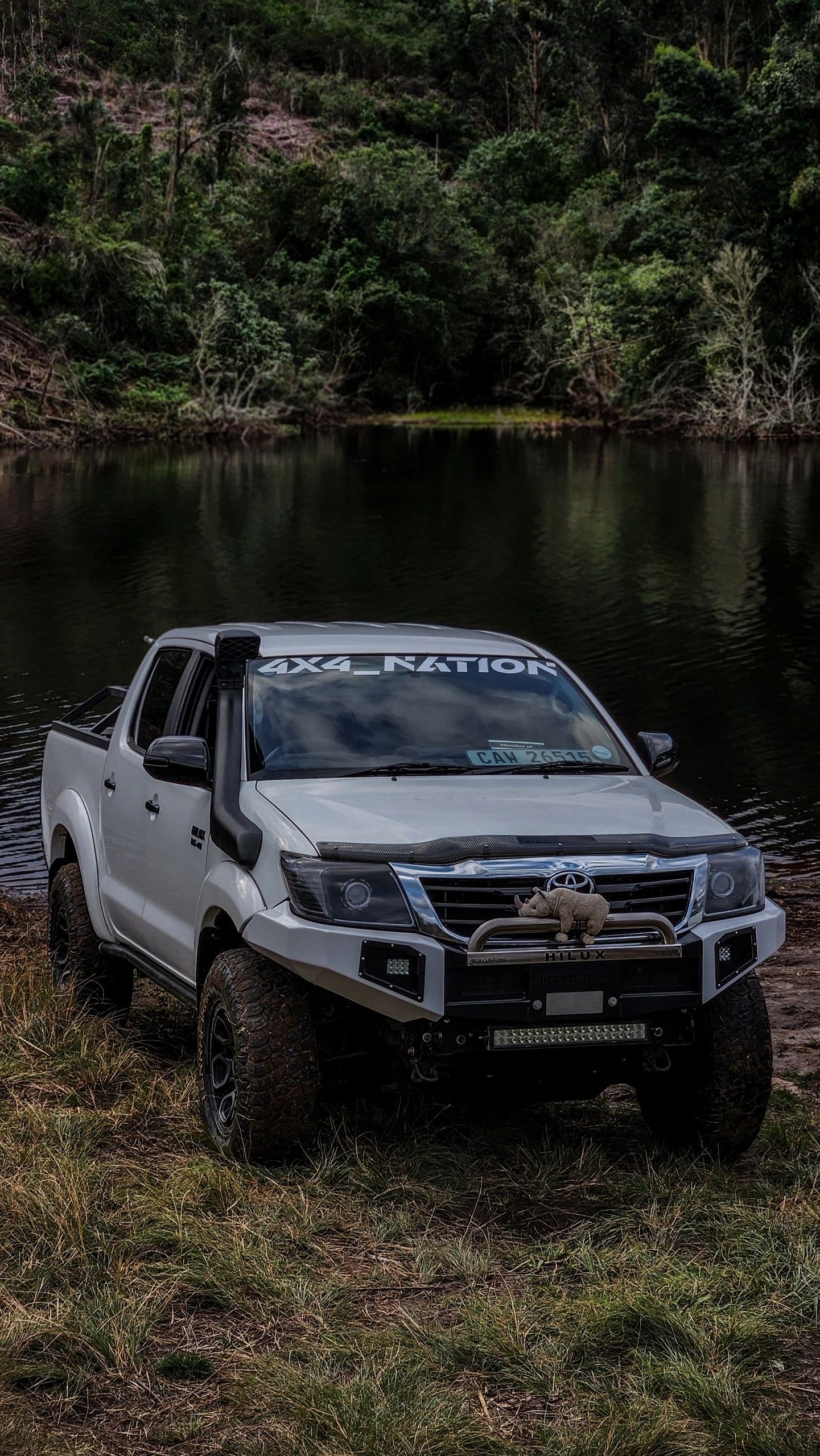
What Does a Snorkel Actually Do? Do You Really Need One?
It looks tough, but that's not the real reason 4x4 owners fit a snorkel. There's one situation where the right snorkel could save your engine from a very expensive mistake.
If you drive a 4x4, chances are you've seen them everywhere — a snorkel running up the side of a Hilux, Ranger, D-Max, Land Cruiser or Jimny. But what does a snorkel actually do? Is it just there to make your 4x4 look more aggressive, or does it serve a real purpose?
The short answer is: a properly installed snorkel can provide important protection for your engine when driving through dusty conditions, deep water and challenging off-road terrain. But whether you actually need one depends on how and where you use your vehicle.
What Is a 4x4 Snorkel? A snorkel is an intake system that relocates your vehicle's engine air intake from its original position — usually inside the engine bay or behind the front grille — to a much higher position on the vehicle. Instead of drawing air from down low, the engine draws air from near roof height. This is particularly useful when driving through dusty conditions or water crossings.
Water Crossings. One of the biggest reasons people fit snorkels is to increase the vehicle's ability to handle water crossings. Your engine needs a constant supply of air. If the original air intake is positioned low and the vehicle enters deep water, water can potentially reach the intake. If water gets sucked into the engine, it can cause hydrolock — which can result in serious and expensive engine damage. A snorkel raises the air intake considerably, giving you a much higher intake point when approaching water crossings.
However, a snorkel does not make your vehicle waterproof. The airbox, intake pipes, joins, breathers, electrical components and other areas still need to be considered. Your vehicle's maximum safe wading depth will also depend on the specific vehicle and its manufacturer's recommendations.
Cleaner Air in Dusty Conditions. If you've ever followed another bakkie along a gravel road, you'll know just how much dust can be thrown into the air. Your vehicle's original intake position can sometimes sit directly in the dust and turbulence created around the front of the vehicle. A snorkel takes its air from a higher position, where the air can be cleaner and less affected by dust being kicked up directly around the wheels and road surface. This can be particularly useful for gravel-road driving, off-road trails, farm roads, convoys, overlanding and long-distance touring.
Does a Snorkel Give You More Power? This is one of the biggest misconceptions about snorkels. A snorkel isn't a performance upgrade by itself. Your engine still needs to receive the correct amount of air, and the snorkel should be designed and installed correctly for the vehicle. A good snorkel can provide a smooth, properly designed intake path and a high air intake position, but you shouldn't fit one expecting a noticeable horsepower increase. The main benefits are air intake positioning and protection, rather than extra power.
Do You Really Need a Snorkel? This depends entirely on how you use your vehicle. You probably don't need one if your vehicle is mainly used for driving around town, commuting, shopping, normal highway driving or occasional light gravel roads. In these situations, a snorkel is generally more of an optional accessory than a necessity.
A snorkel makes more sense if you regularly go off-road, drive through dusty areas, travel on gravel roads, go overlanding, do water crossings, travel through rural areas or take your 4x4 on remote trips. For vehicles that regularly see these conditions, a snorkel can be a worthwhile upgrade.
What About the Snorkel Head? The top of the snorkel isn't just there for looks. The snorkel head is designed to manage the air entering the intake system and help reduce the amount of water, dust and debris entering the intake. Some snorkels use a traditional ram-style head, while others use different designs depending on the manufacturer and vehicle application. There are also aftermarket pre-cleaner systems available for particularly dusty environments. The important thing is that the snorkel and intake system are properly matched to the vehicle.
Installation Matters. A snorkel is only as good as its installation. The snorkel itself needs to be properly sealed and securely mounted to the vehicle. The connection between the snorkel and the factory airbox also needs to be correctly sealed. If there are gaps or leaks in the intake system, the engine could potentially draw air from somewhere other than the snorkel — defeating one of the main reasons for installing it. That's why we recommend having a snorkel fitted correctly rather than treating it as a simple cosmetic accessory.
So, Should You Fit One? If your 4x4 spends most of its life on the tar, you probably don't need a snorkel. But if you're building your vehicle for 4x4ing, overlanding, gravel-road travel, camping or serious off-road adventures, a snorkel is one of those upgrades that makes a lot more sense. It gives your engine a higher air intake, can help in dusty environments and provides additional protection when tackling water crossings. And let's be honest — on the right 4x4, it also looks pretty damn good.
Looking for a Snorkel for Your 4x4? At Rhino Customs, we supply and fit snorkels for a range of popular 4x4s and bakkies. From Hiluxes and Rangers to Land Cruisers, Jimnys and other popular off-road vehicles, we can help you choose the correct snorkel for your vehicle and have it professionally fitted. Visit us at Unit 2, 12 Brick Road, George Industria — or give us a call on 076 068 7668.